The First Walls
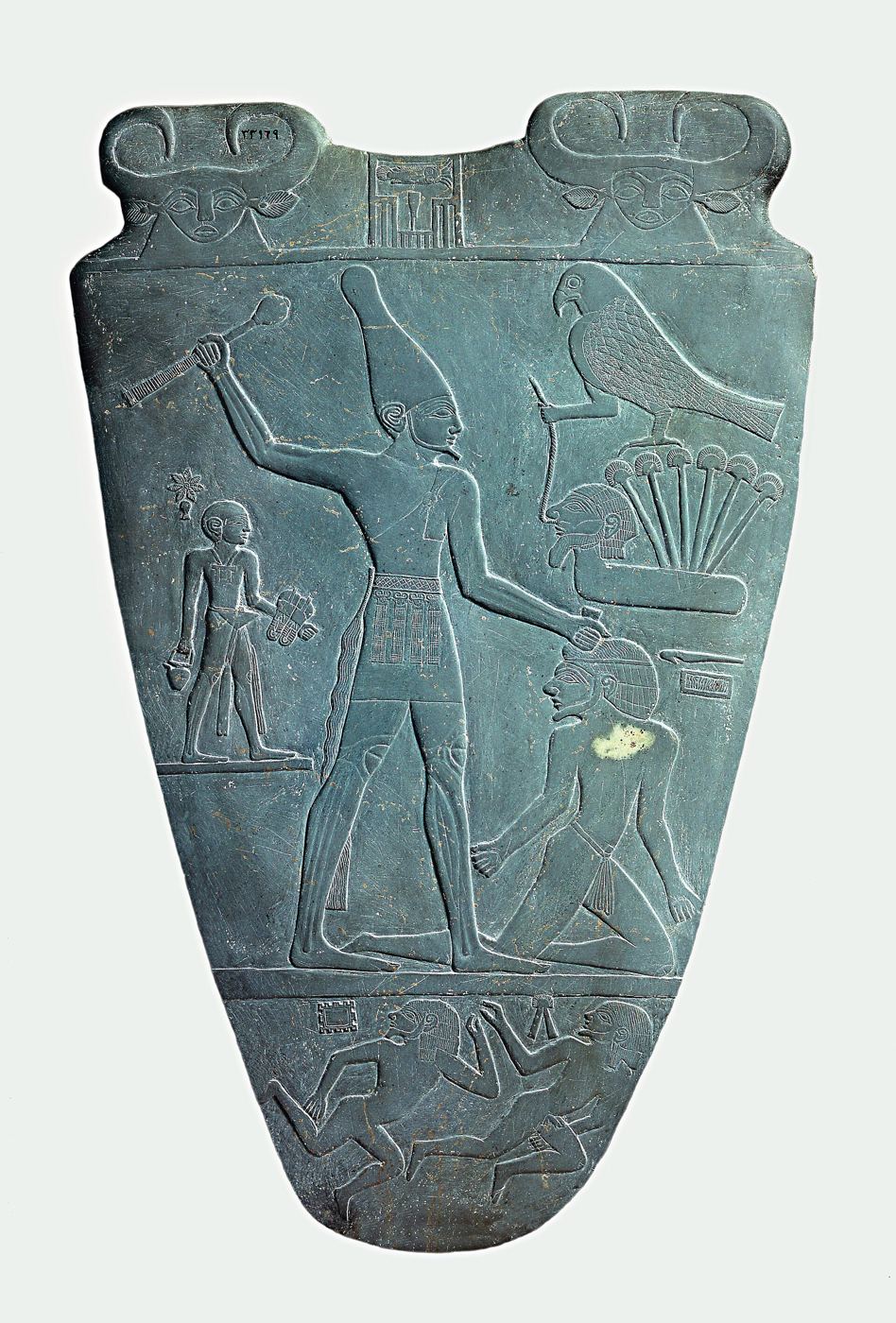
At Uruk, one of the first cities on Earth, people built walls and fought over grain, water, and trade routes. On Egypt's Narmer Palette (c. 3100 BCE), a king raises a mace over kneeling enemies, an early portrait of the state itself: organized force guarding stored food and collecting taxes.
The weapon is simple. The organization behind it is brand new.
Walls, granaries, and bureaucracy mattered as much as blades. The mace is a symbol; the real invention was a state that could arm and feed thousands.
The Chariot Age
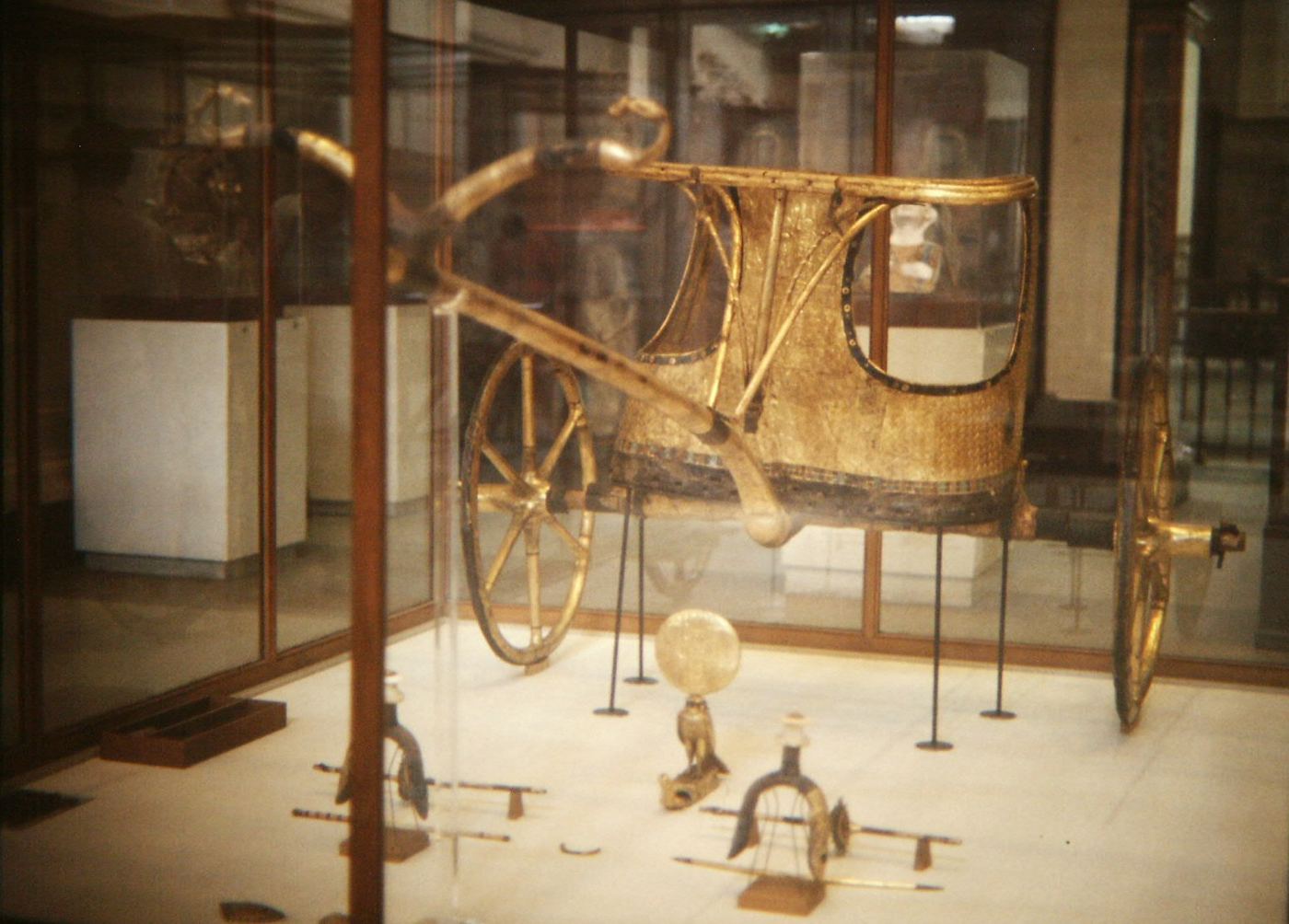
At Kadesh, Egypt and the Hittites hurled thousands of chariots at each other in one of the largest chariot battles ever fought. A chariot paired the composite bow's power with speed, a mobile firing platform that dominated the Bronze Age.
Chariot corps, horse breeding, and bronze workshops became the measure of imperial reach, from Egypt to Shang China.
Chariots needed flat ground, expert crews, and enormous state investment. When the Bronze Age palaces fell, infantry and raiders overran chariot corps, and the system faded with the states that funded it.
Iron and Terror
Iron ore is common, so iron weapons could equip entire armies, not just bronze-equipped elites. Assyria fused mass iron arms with siege engines, cavalry, roads, and a professional standing army, dominating the Near East for three centuries.
Historians often describe it as the first true military superpower.
Assyria's real edge was logistics and administration: supply depots, deportations, fast messengers. Its capital still fell in 612 BCE, when its subjects united against it.
The Citizen Phalanx
Greek city-states fielded farmers in bronze, locked shoulder to shoulder with long spears. Hoplite battle was a civic institution: men who could afford armor fought for their polis, and expected a say in running it.
Macedon stretched the spear into the five meter sarissa, and Philip and Alexander carried the phalanx all the way to India.
The phalanx was a social system before it was a weapon system. When states could no longer mobilize citizens, no spear length could save them.
The Legion
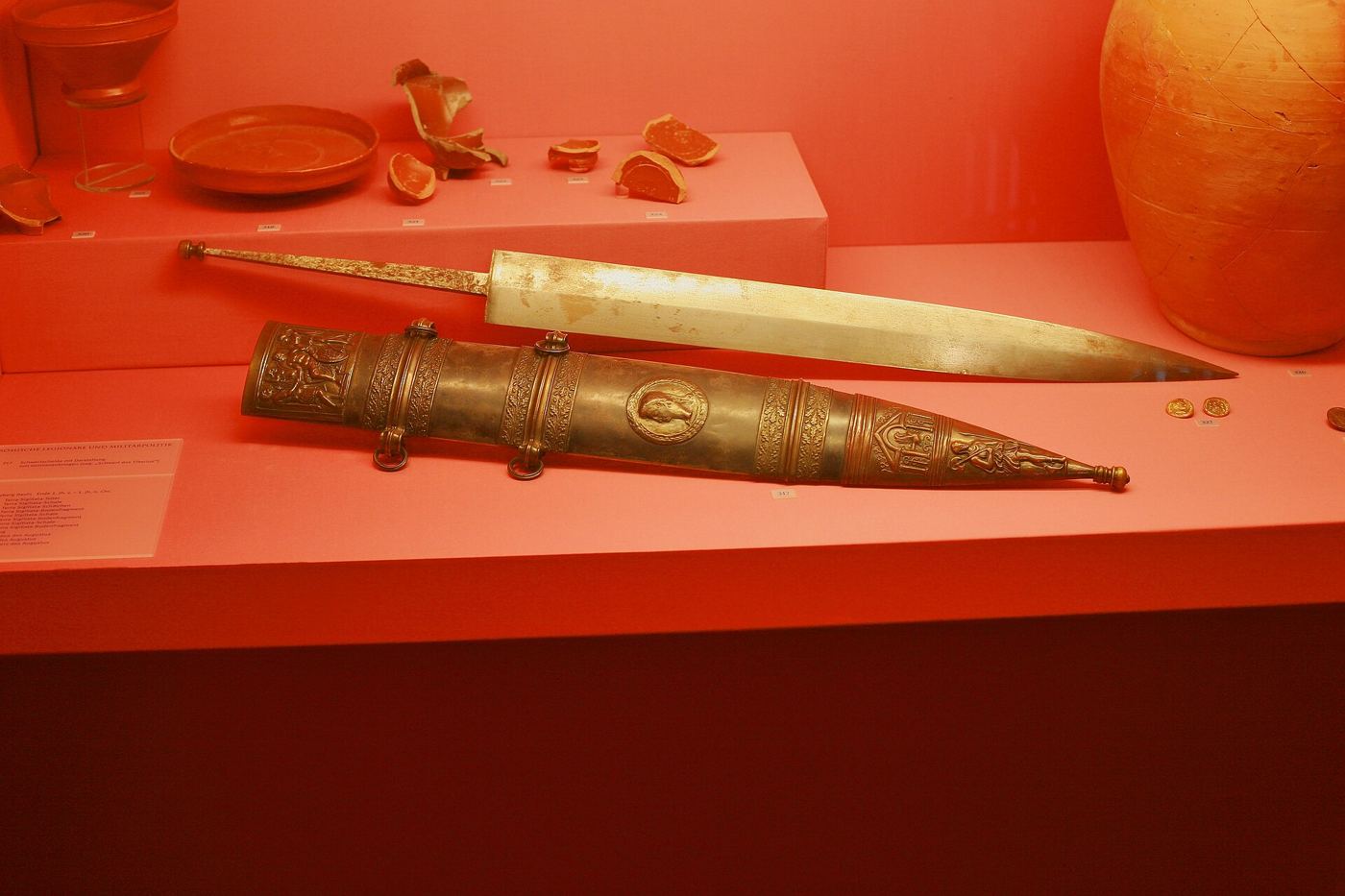
Rome's short sword and heavy javelin were unremarkable weapons. What made them lethal was the system around them: rotating lines of drilled infantry, a fortified camp built every single night, roads that marched legions to trouble, and a state that could replace its losses after disasters like Cannae.
Rome lost entire armies and kept coming. Manpower, engineering, and stubborn institutions won more wars than sword design ever did.
The Stirrup
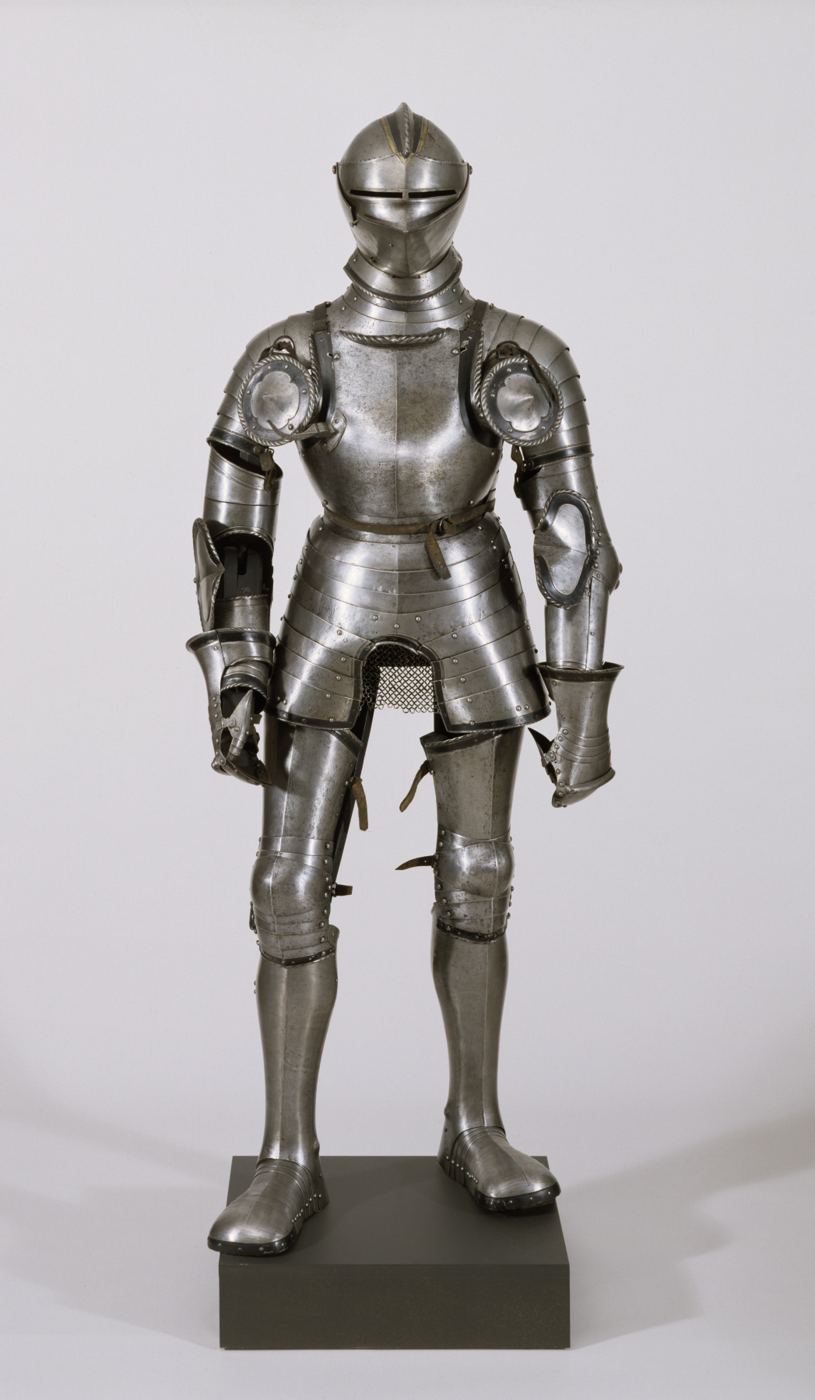
The stirrup let a rider brace, stand, and drive the full momentum of horse and armor through a lance. Armored cavalry came to dominate battlefields, from Byzantium's cataphracts to the knights of medieval Europe.
Some historians have argued the stirrup helped create feudalism itself, as kings granted land to fund mounted warriors.
The "great stirrup controversy" is still contested. Heavy cavalry rose slowly over centuries, and castles, farmland, and politics shaped feudalism at least as much as one piece of tack.
The Equalizer
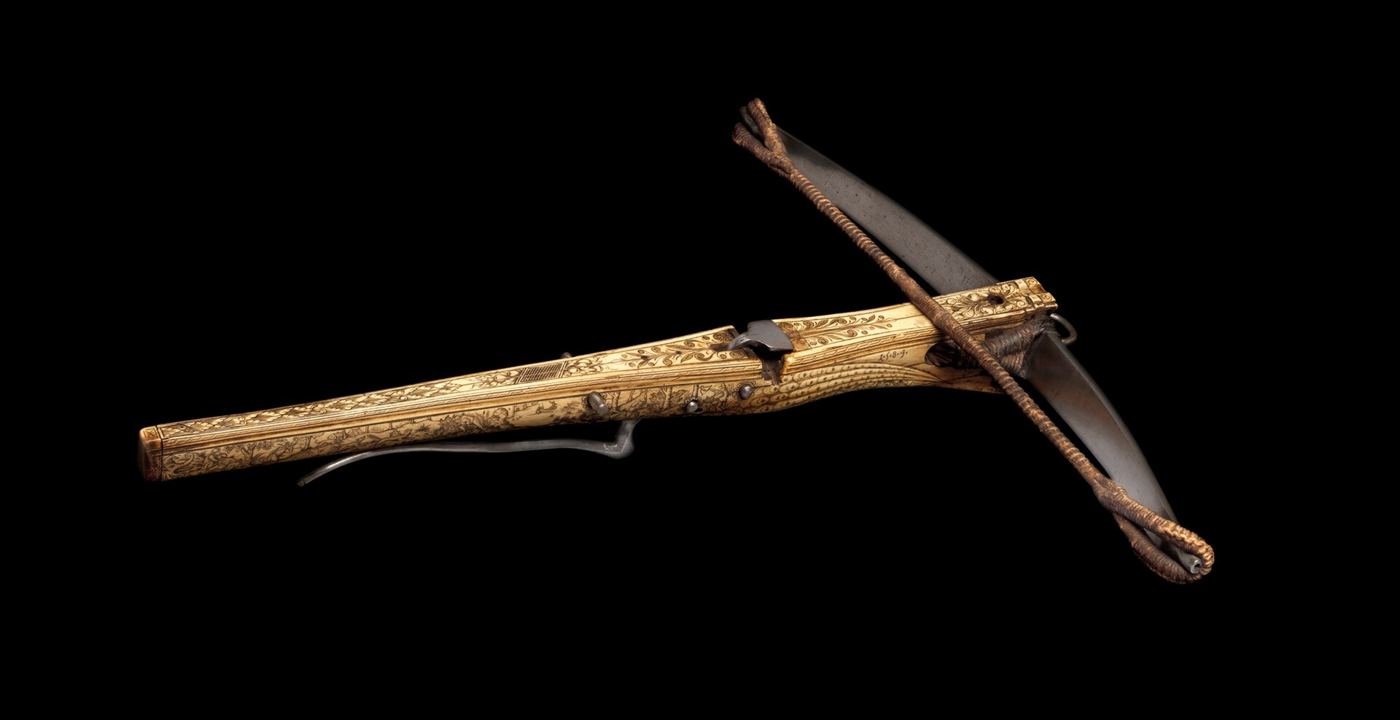
A crossbow could be spanned with a lever or crank, so a townsman with weeks of training could kill a knight who had trained his whole life. Song dynasty China fielded crossbowmen in the hundreds of thousands, backed by imperial arsenals.
In 1139, the Second Lateran Council banned the crossbow against Christians. The ban failed completely.
States that could mass produce crossbows, bolts, and wages gained most. Cheap power still needed factories and payrolls behind it.
The Arrow Storm
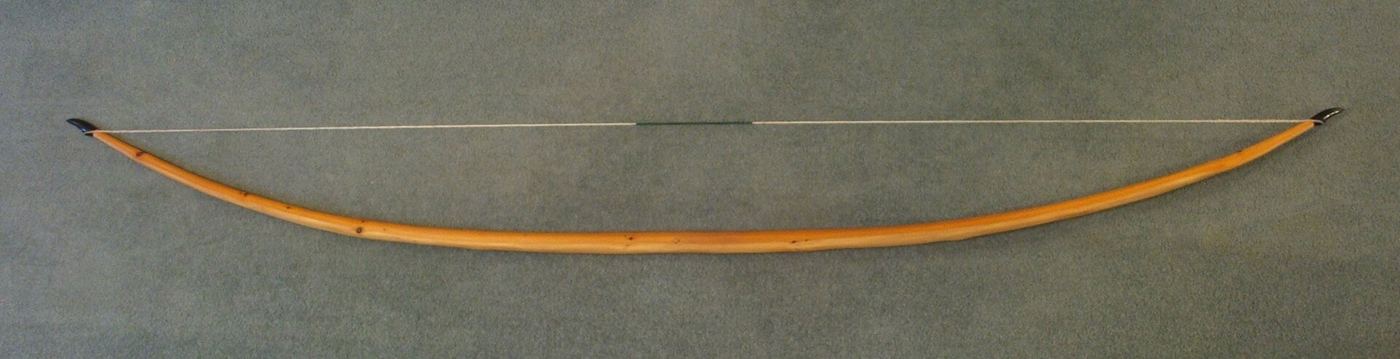
At Crecy and Agincourt, English and Welsh archers loosed clouds of arrows that broke French charges. At Agincourt in 1415, an exhausted, outnumbered English army destroyed much of the French nobility. The longbow became legend: a small kingdom punching far above its weight.
Modern historians point to mud, terrain, and French command failures as much as arrows. The longbow won battles but could not win the war; France answered with artillery and took everything back.
The Fire Lance
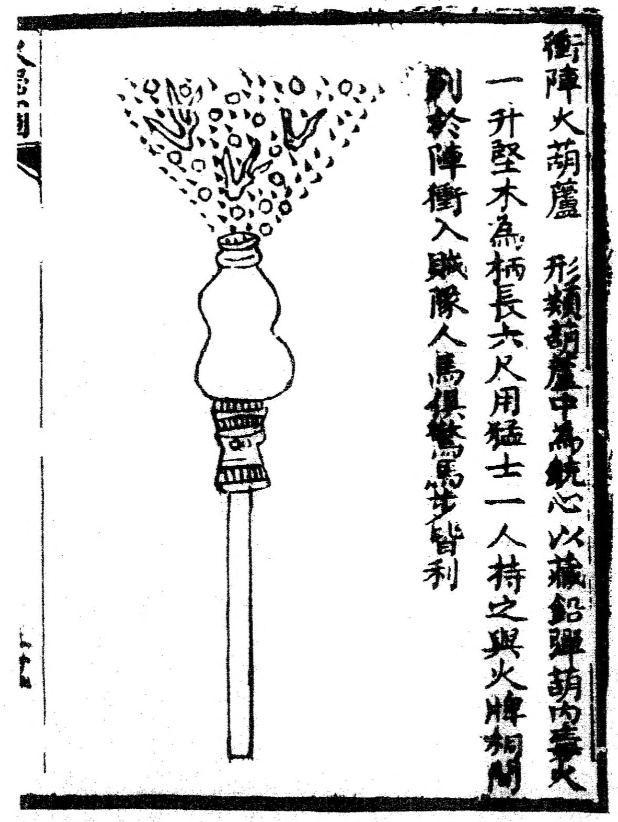
Chinese alchemists wrote down gunpowder formulas by the 9th century, and Song soldiers strapped the charge to spears as fire lances. Knowledge of powder moved west along Mongol conquest routes.
Over the following centuries, gunpowder weapons spread across Eurasia, and the states that mastered them gained real, sometimes decisive, edges.
Inventing gunpowder did not hand China lasting dominance. Why Europe eventually led gun development is still debated; one prominent explanation points to constant war between rival states pushing refinement there.
The Wall Breaker
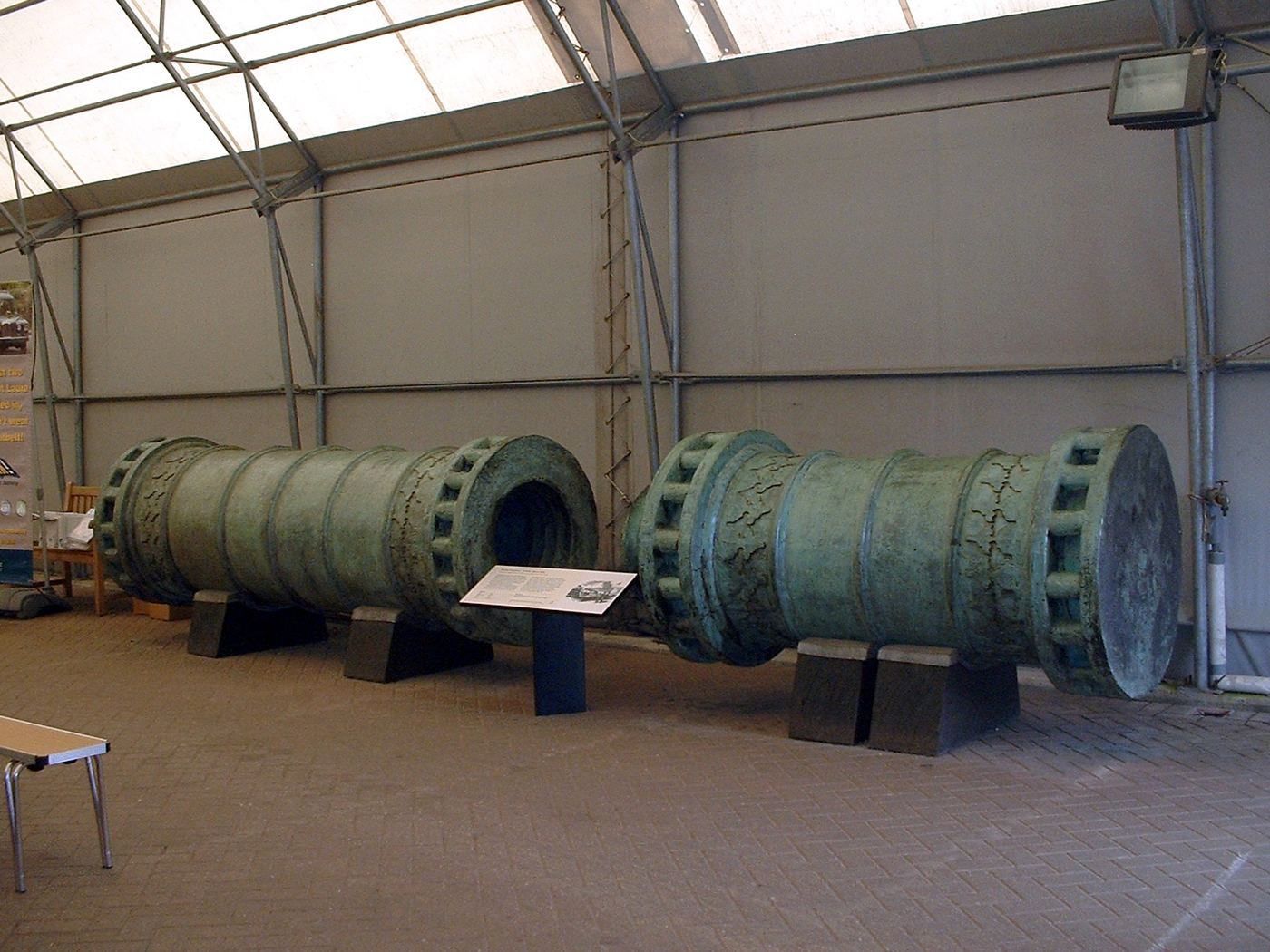
Orban, a Hungarian engineer, cast enormous bronze bombards for Sultan Mehmed II. In 1453 their stone shot battered the thousand year old walls of Constantinople, and the city fell to the Ottomans.
Siege guns steadily eroded the advantage of medieval stone walls. Historians link cannon and muskets to the rise of the Ottoman, Safavid, and Mughal "gunpowder empires", though the term itself is debated.
The giant guns took hours to load and needed roads, foundries, and draft animals. Walls adapted too, into low, angled star forts. Artillery favored whoever could organize powder mills and siege trains, not just whoever had the biggest gun.
Volley Fire
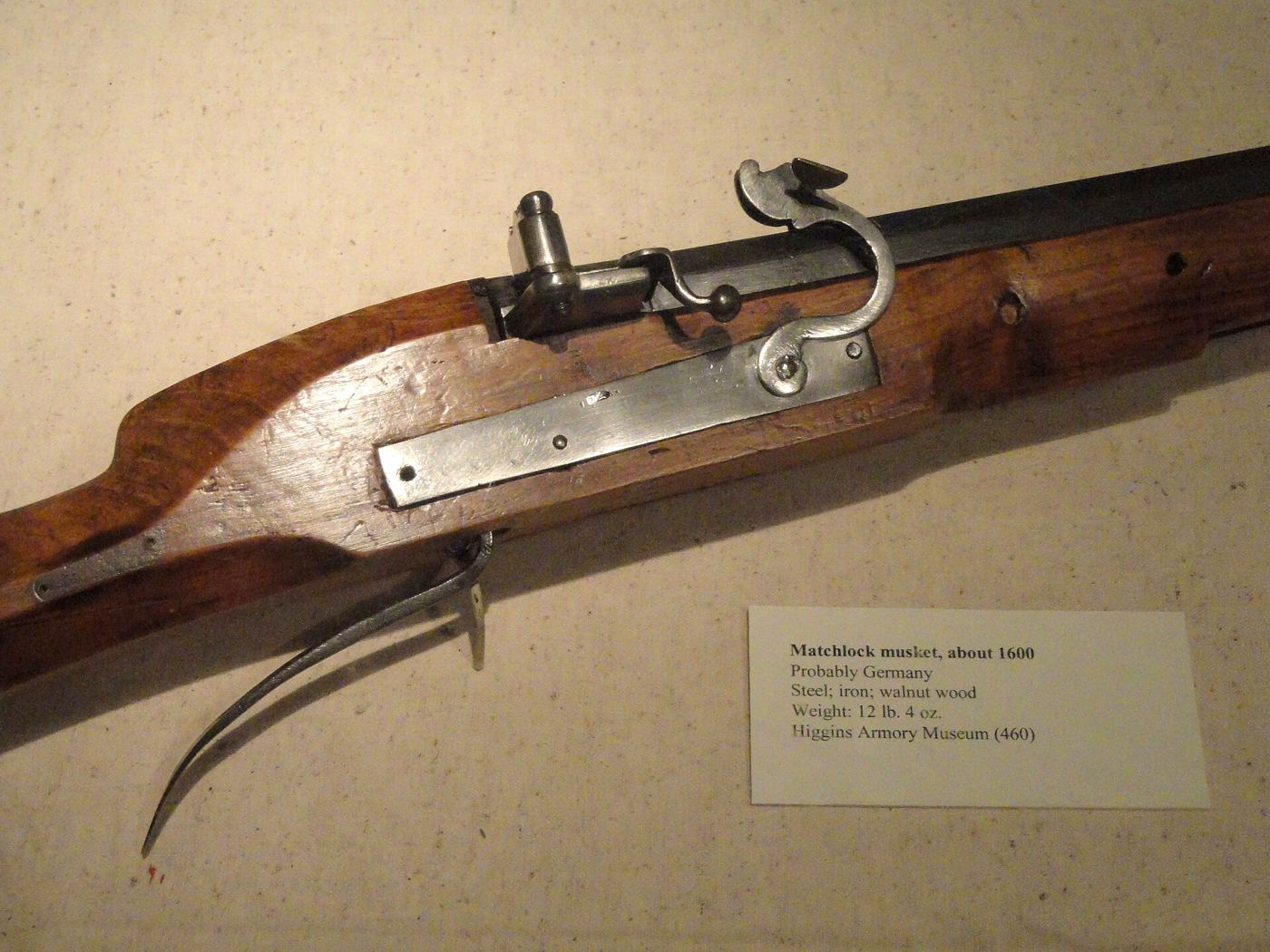
A musket ball could punch through the finest armor, and any conscript could learn to fire one in weeks. Dutch and Swedish reformers drilled ranks to fire in disciplined volleys; Gustavus Adolphus paired musketeers with light, mobile field guns and smashed larger armies at Breitenfeld.
War now demanded taxes, drill yards, and arms industries. Historians call the result the "military revolution": bigger armies, stronger central states.
Volley fire was doctrine, not hardware. Nations rose on training systems, finance, and bureaucracy wrapped around a fairly crude gun.
The Wooden World
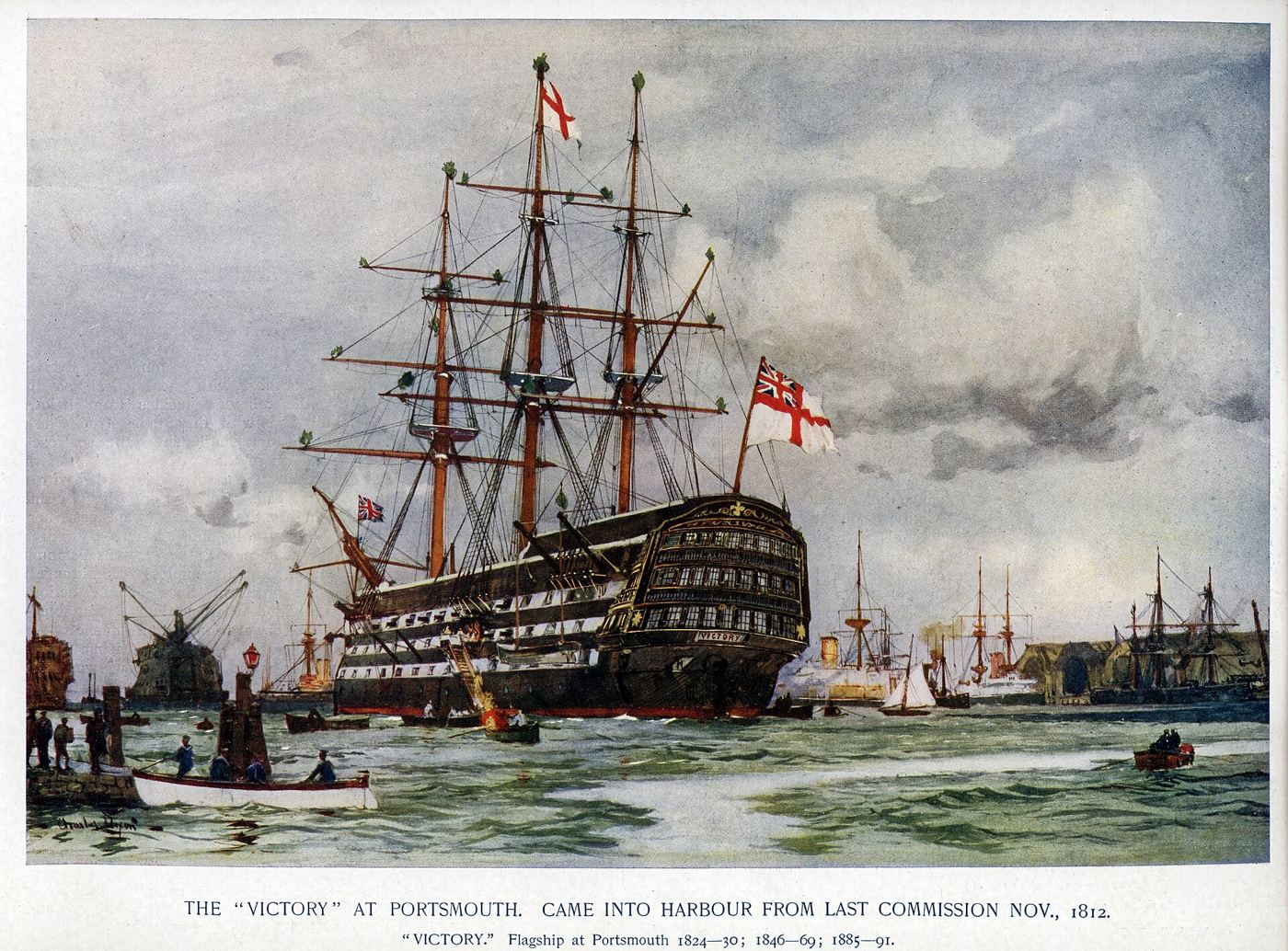
A ship of the line carried up to a hundred cannon, a floating fortress no land army could touch. Portugal, Spain, and the Netherlands built global trade on armed hulls, then Britain turned sea power into a system: after Trafalgar in 1805, the Royal Navy shielded the trade routes that fed the largest empire in history.
Fleets are the most industrial weapon of their age. British supremacy rested on shipyards, credit, and global bases; the ships were only the visible tip.
The Industrial Rifle
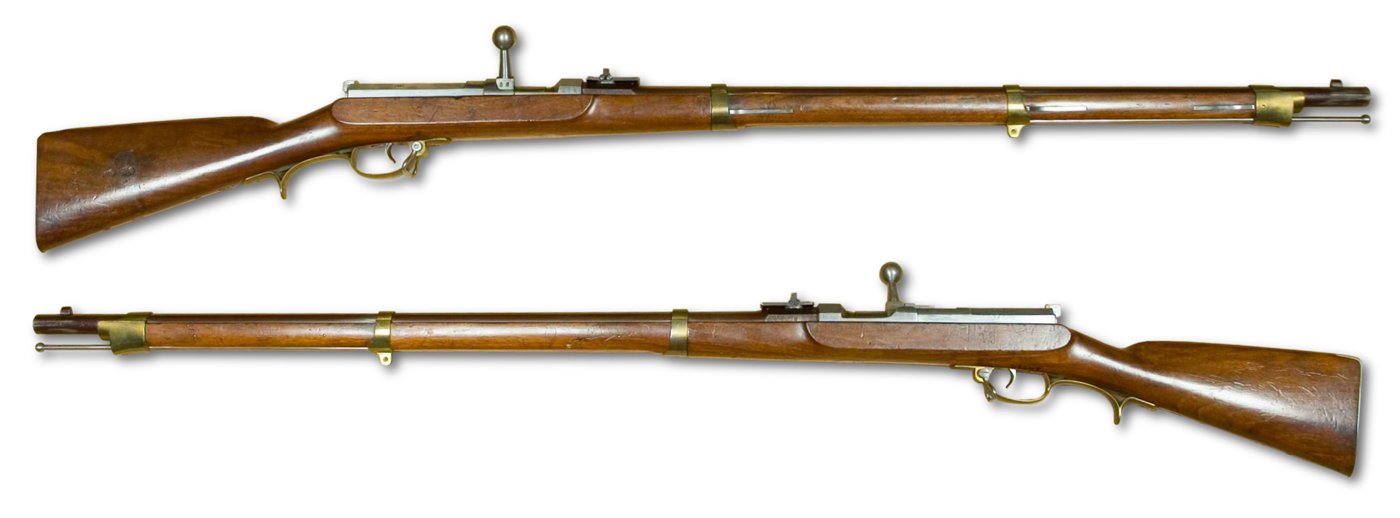
Prussia's Dreyse needle gun fired from the breech, so a soldier could reload lying down and fire far faster than any muzzle-loader. At Koniggratz in 1866 it shredded Austrian infantry, and within five years Prussia had unified Germany.
Helmuth von Moltke's real weapons were the railroad and the telegraph, moving armies faster than enemies could react. The rifle killed; the timetable conquered.
The Empire Killer
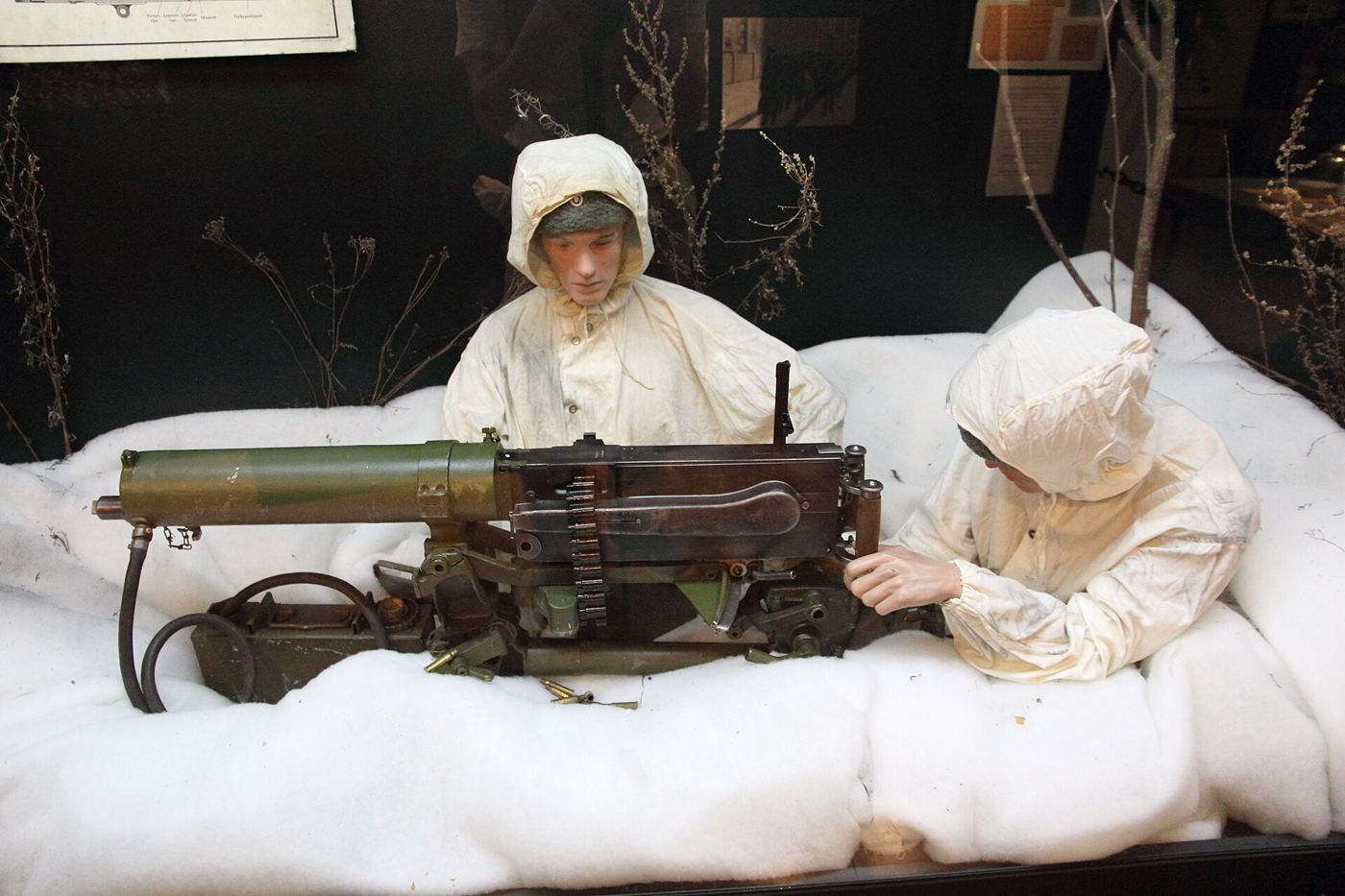
The Maxim gun fired hundreds of rounds a minute without stopping. Colonial powers used it to crush resistance from Sudan to southern Africa. Then in 1914, industrial nations pointed it at each other.
The machine gun, barbed wire, and heavy artillery made attack ruinously costly and turned the war into one of attrition. That strain, economic and political as much as military, helped bring down four empires: Russian, German, Austro-Hungarian, and Ottoman.
Here the pattern inverts. Weapons so powerful they stalled conquest for years, and the nations that wielded them bled themselves into revolution.
The Floating Airfield
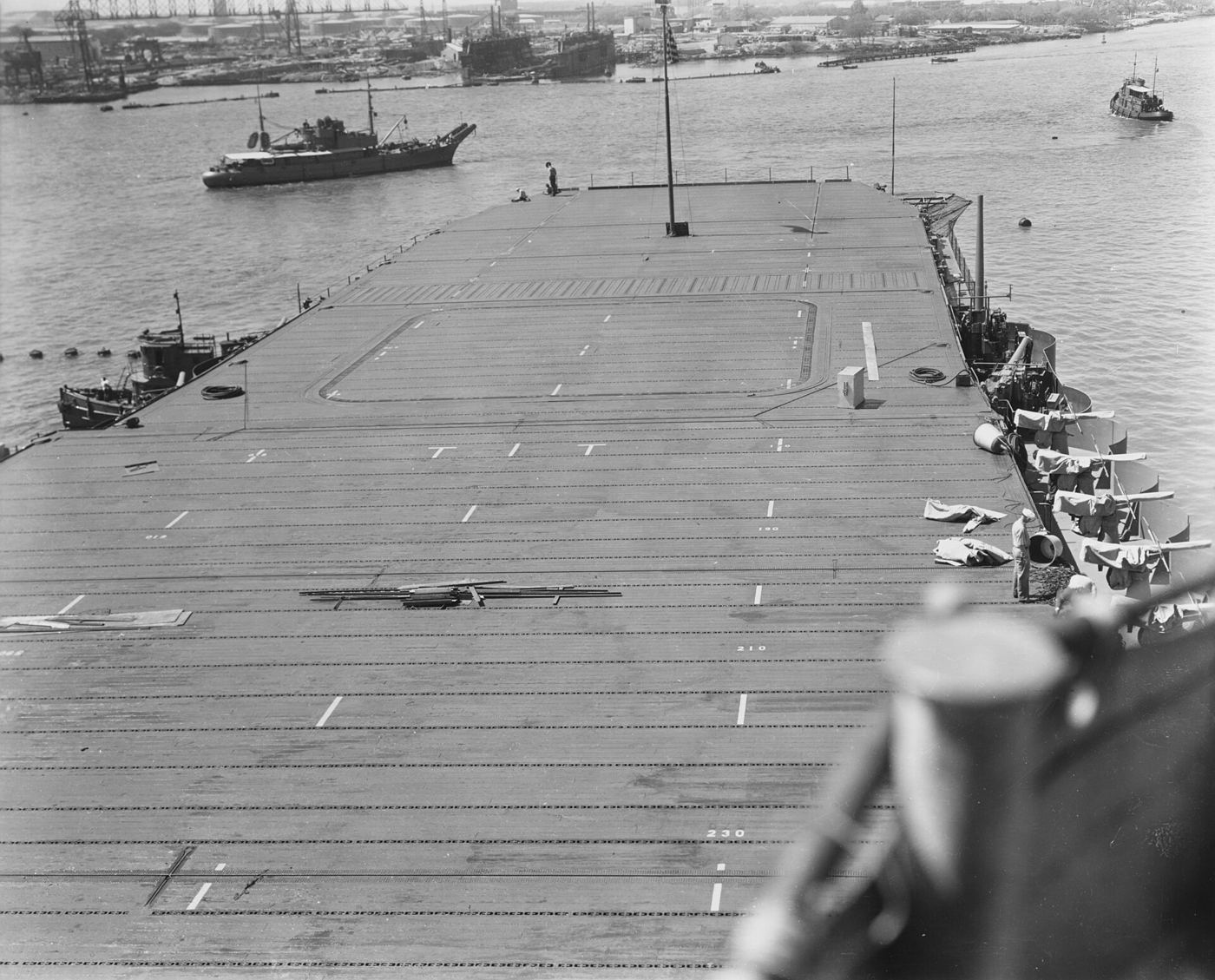
Pearl Harbor and Midway in 1942 proved that aircraft, not battleship guns, now decided naval war. The carrier projected air power across entire oceans, and the United States built its postwar position on carrier groups.
America won the carrier war at the shipyard. It replaced losses at a rate Japan never could; industrial output sank more fleets than any single weapon.
The Nuclear Shadow
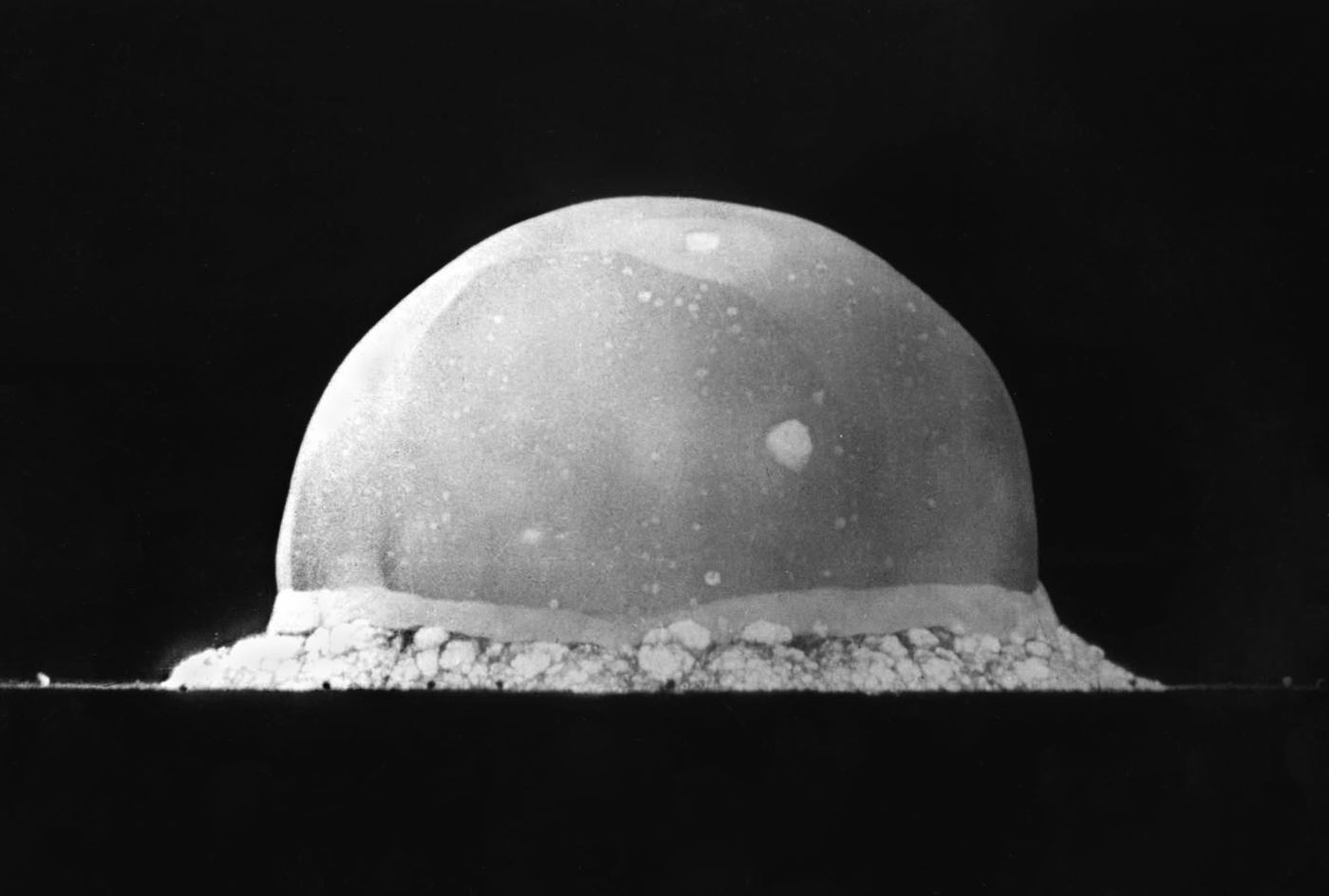
One bomb destroyed a city. For the first time, a weapon was too powerful to use freely. Under mutual assured destruction, the superpowers armed for a war neither could survive, and fought each other only indirectly.
The oldest pattern in this story, better weapons, bigger empire, broke. Direct war between the superpowers never came; they competed through proxies, arms races, and alliances instead.
Deterrence rests on rivals believing you, on diplomacy, treaties, and fail-safes. The technology matters less than the trust and terror built around it.